Affordable Monthly Car Lift Abu Dhabi.Urban transit devours capital. We rarely calculate the true microscopic costs of moving from point A to point B. I frequently conduct mobility audits for mid-cap enterprises operating in dense metropolitan hubs. Last quarter, my analysis revealed a glaring inefficiency: employees were hemorrhaging an average of 14% of their disposable income on fragmented transit methods. Owning a personal vehicle incurs invisible taxes. Depreciation, insurance premiums, fluctuating fuel markets, and toll gate fees silently erode wealth. Driving demands cognitive bandwidth. Navigating aggressive highway traffic elevates cortisol levels before the workday even begins.
Commuters arrive depleted. This specific friction forces operations managers to critically examine alternative logistics. When we look past the immediate convenience of starting our own engines, the fiscal math points aggressively toward consolidated transit mechanisms. Unpredictable transportation expenses fundamentally destabilize personal budgeting, making a fixed-cost approach not just an option, but a financial necessity for the modern workforce.
Defining the Affordable Monthly Car Lift Abu Dhabi
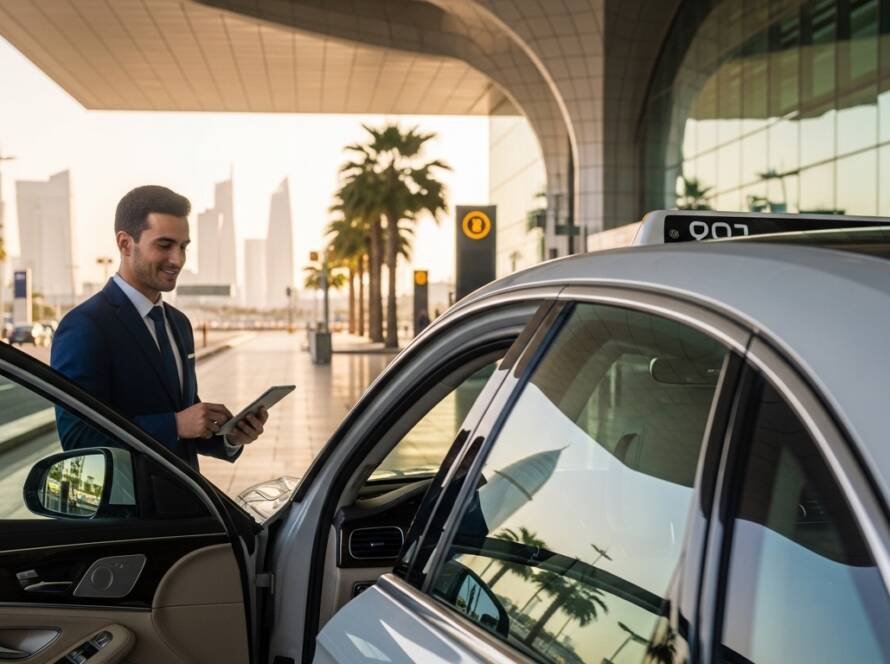
Structured transit contracts eliminate financial guesswork. An affordable monthly car lift operates on a subscription-based model, guaranteeing a dedicated seat in a specialized fleet vehicle for daily round trips. This is distinct from standard carpooling, which often relies on informal, highly unstable agreements between peers. Professional lift services utilize dedicated routing, trained chauffeurs, and regulated vehicle maintenance schedules. I realized the profound impact of this model when tracking transit reliability metrics across several corporate departments. Employees utilizing subscription rides reported zero instances of dynamic price surging. When evaluating regional providers to recommend to my clients, I consistently direct logistics coordinators to examine the frameworks provided by Ride Swift. Their approach perfectly encapsulates what a sustainable, affordable monthly car lift should deliver: absolute consistency without prohibitive overhead. You are purchasing predictability. The subscriber secures geographic transit rights for the month, entirely insulated from macroeconomic fuel spikes or localized scarcity variables.
Why Corporate Shuttles Fall Short
Legacy corporate busing systems operate on outdated architectural paradigms. They demand centralized collection points, forcing employees to complete secondary commutes just to reach the primary shuttle. This multi-nodal friction defeats the purpose of employer-provided transit. Corporate buses travel fixed, unyielding routes. If a road closes or a localized event snarls traffic, a massive fifty-seater bus lacks the agility to navigate secondary residential streets. Mid-sized fleet subscriptions solve this by deploying nimble, lower-capacity vehicles capable of dynamic, localized routing.
Evaluating Cost-Effective Monthly Transport Options
Data tells a sobering story about urban congestion. Peak hour traffic actively steals hours from our lifespans. According to the TomTom Traffic Index, metropolitan congestion can add upwards of 140 hours of idle driving time to an individual’s annual schedule. That lost time translates directly into lost economic output. Evaluating cost-effective monthly transport options requires looking beyond the sheer dirham-to-kilometer ratio. We must factor in the value of reclaimed time. When riding in a driven vehicle, commuters can process emails, review daily briefs, or simply rest. The cognitive transition from active driver to passive passenger alters the baseline stress response. A highly optimized transport network relies on geospatial telemetry, grouping passengers logically by neighborhood nodes. This reduces total fleet mileage while maximizing passenger occupancy, passing the resultant fuel savings directly down to the consumer level.
Hidden Fees in Traditional Ride-Hailing
Algorithmic surge pricing operates on panic. When demand spikes—during a sudden rainstorm or a mass corporate exodus at 5 PM—ride-hailing applications artificially inflate prices to incentivize driver deployment. I once tracked a specific 12-kilometer commute over thirty days. The base rate hovered around 45 AED. However, due to variable afternoon surges, the actual daily cost fluctuated between 38 AED and 115 AED. You cannot build a stable monthly budget on algorithms designed to extract maximum willingness-to-pay during moments of desperation. Additionally, hidden waiting fees and dynamic route adjustments quietly drain commuter wallets.
Micro-Anecdote: Transitioning to an Affordable Monthly Car Lift Abu Dhabi
Last November, my logistics team faced a severe challenge. We were tasked with relocating a 75-person financial processing department from a suburban office park to a highly congested downtown financial district. Parking allowances were abruptly terminated. Initial panic set in among the staff, anticipating massive out-of-pocket ride-hailing costs. I immediately vetoed the idea of issuing individual transit stipends,
knowing it would result in logistical chaos and unpredictable attendance. Instead, we executed a stress test using a centralized, affordable monthly car lift program. We segmented the employees into micro-neighborhood pods, assigning 7-seater vehicles to specific routes. The transformation was immediate. Within two weeks, our HR dashboard indicated a 92% drop in tardiness. Employees reported feeling significantly less aggressive upon arrival. By locking in a vendor contract, the company saved roughly 40% compared to projecting the cost of individual ride stipends. It proved unequivocally that structured, shared mobility solves behavioral and financial hurdles simultaneously.
Regulatory Frameworks Governing UAE Transit
Passenger transport is not a casual enterprise. Moving human beings for profit requires stringent oversight. Regional authorities maintain rigorous frameworks to ensure commercial passenger vehicles meet structural and operational standards. Unlicensed operators present severe liabilities. When a commuter steps into an informal, cash-in-hand carpool, they step outside the protective bubble of commercial liability insurance. The legal environment, frequently documented by authorities and covered extensively by Gulf News, mandates rigorous safety checks, specific licensing classes for drivers, and immediate vehicle impoundment for non-compliance. Engaging with a formalized subscription service insulates the consumer from these legal ambiguities. Professional operators absorb the compliance burden, maintaining the necessary permits to operate dedicated commuter routes legally. This regulatory shield is a critical, yet often ignored, component of the true cost of transit.
Safety Standards for Budget-Friendly Monthly Commutes
Budget constraints must never compromise physical safety. Reputable transit operators enforce strict vehicular age limits, retiring fleet assets before mechanical fatigue introduces risk. They utilize telematics tracking to monitor driver behavior, logging instances of harsh braking or rapid acceleration. Background vetting ensures that chauffeurs possess impeccable records. A structurally sound service provides transparent access to their maintenance schedules, proving that lower consumer costs are achieved through routing efficiency, not deferred mechanical upkeep.
Strategic Implementation of Affordable Monthly Car Lift Abu Dhabi
Adopting a new transit methodology requires strategic integration. Individuals cannot simply abandon their cars overnight without a robust alternative in place. The transition begins with a rigorous audit of personal transit requirements. Map your exact departure times, required arrival windows, and secondary travel needs (such as mid-day off-site meetings). A premium affordable monthly car lift provider will utilize advanced API scheduling algorithms to integrate these constraints into their broader fleet movements. Modern transport logistics relies heavily on asynchronous dispatch. By predicting traffic flows using historical AI data, fleet managers bypass structural bottlenecks before they form. This predictive modeling ensures that your vehicle arrives precisely within the designated window. Passengers receive automated notifications, minimizing curbside wait times. This precise synchronization distinguishes amateur transport rings from professional mobility solutions.
Route Optimization and Fleet Analytics
Efficiency relies on telemetry. Every vehicle in a modernized fleet acts as a data collection node. As they navigate the urban grid, they feed real-time velocity and congestion metrics back to a centralized server. This continuous feedback loop allows routing algorithms to reroute vehicles dynamically, avoiding sudden road closures or accidents. This micro-optimization shaves minutes off the commute, compounding over the month into hours of reclaimed personal time.
Sustainable Practices in Affordable Monthly Car Lift Abu Dhabi
Environmental economics directly intersects with urban mobility. The traditional model of one human occupying a two-ton, internal combustion vehicle is geometrically and ecologically absurd. Consolidating commuters into shared vehicles exponentially reduces per-capita carbon emissions. Global institutions recognize this mathematical reality. The World Economic Forum highlights that high-occupancy shared mobility networks could dramatically scale back urban emissions, potentially reducing overall traffic volumes by significant margins. By subscribing to a monthly service, commuters actively participate in vehicular decarbonization. Fleet operators are increasingly integrating hybrid and fully electric vehicles into their rosters, further driving down the localized carbon footprint. The environmental benefit is not just a secondary perk; it represents a fundamental shift in how we approach shared urban resources. We are effectively rationing road space more intelligently, alleviating infrastructural strain while preserving air quality.
Measuring the ROI of Affordable Monthly Car Lift Abu Dhabi
Return on investment in the transit sector bridges both tangible and intangible metrics. The tangible ROI is simple arithmetic. Subtract the monthly subscription fee from the cumulative costs of fuel, toll gates, vehicle depreciation, parking, and insurance. The resultant figure is pure retained capital. However, the intangible ROI often yields higher dividends. Reduced physiological stress lowers long-term healthcare outcomes. Predictable arrival times foster better professional reputations and decrease workplace friction. I frequently interview mid-level executives who have abandoned personal driving for structured commuting. Without fail, they emphasize the restoration of their morning routine. They read, they meditate, they plan their days. This reclaimed cognitive space translates directly into heightened productivity and accelerated career trajectories. You are fundamentally buying back your own energy, previously sacrificed to the asphalt.
Future Projections for Urban Mobility
Urban density will continue to escalate. Consequently, municipal governments will increasingly disincentivize personal vehicle usage in urban cores through aggressive tolling and prohibitive parking taxes. The landscape demands adaptability. Fleet operators will inevitably pivot toward autonomous vehicle (AV) networks, drastically reducing overhead by eliminating driver labor costs. This transition will further compress subscription prices, making dedicated transit access ubiquitous. Until autonomous integration achieves commercial viability, the professionally managed, chauffeur-driven subscription remains the absolute apex of commuting strategy. Navigating the modern city requires tactical foresight. Choosing a structured, highly regulated transport service over chaotic ad-hoc methods represents a maturation of personal logistics. It replaces daily unpredictability with rigid, comforting reliability, allowing professionals to focus their energy entirely on their actual objectives rather than the tedious process of merely arriving at them.