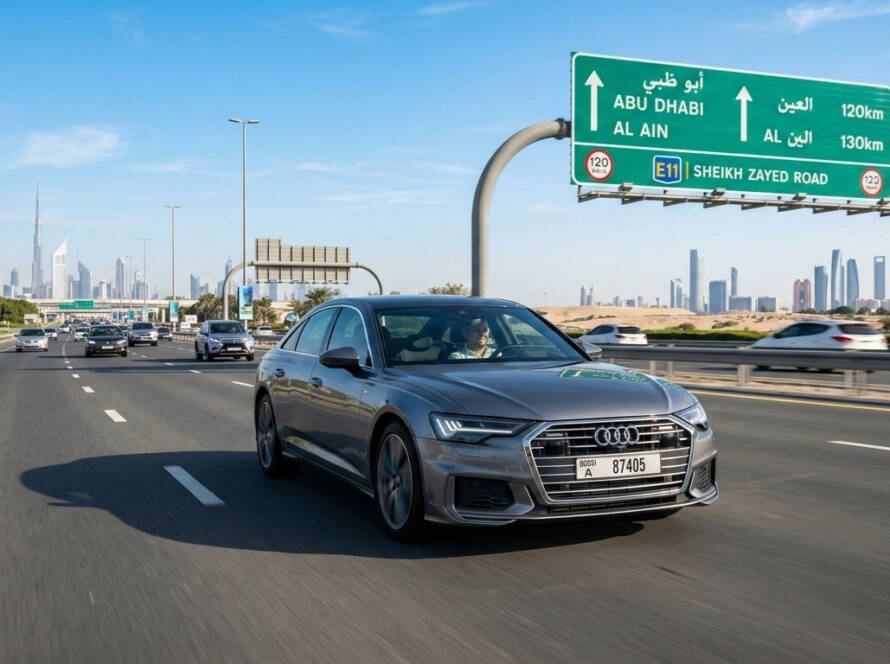
UAE Intercity Transport: Easy Travel Between Major Emirates
Traveling between emirates is part of daily life in the UAE. Every day, thousands of people move between Dubai, Abu Dhabi, Sharjah, Ajman, Ras Al Khaimah, and Al Ain. Some go to work. Others visit family, catch a flight, or meet clients. Therefore, reliable UAE intercity transport matters to residents, tourists, and business travelers alike.
The country is small, but the distances still add up. A trip from Dubai to Abu Dhabi takes about 90 minutes in good traffic. However, a busy Sunday evening can double that time. In addition, parking, tolls, and fuel can surprise you if you drive your own car.
Fortunately, you have more choices today than ever before. You can take a public bus, book a taxi, hire a private driver, or join a shared ride. Moreover, each option suits a different budget and schedule.
This guide explains how UAE intercity transport works. First, you will learn about the main routes. Next, you will compare the most popular options. Then you will find practical tips on cost, safety, and timing. As a result, you can plan your next trip with confidence.
Why UAE Intercity Transport Matters for Daily Life
Many people live in one emirate and work in another. For example, families often choose Sharjah or Ajman for lower rents, while their jobs sit in Dubai. Similarly, professionals in Abu Dhabi often travel to Dubai for meetings.
Because of this, intercity travel shapes how people plan their days. A good transport choice saves time and money. In contrast, a poor choice leads to stress and delays.
Tourists face the same challenge. They often stay in one emirate and visit attractions in another. Therefore, they need simple and safe ways to move around.
Major Routes Between the Emirates
The UAE has a strong road network. Sheikh Zayed Road (E11) links Dubai and Abu Dhabi along the coast. In addition, Emirates Road (E611) connects Dubai with Sharjah, Ajman, Umm Al Quwain, and Ras Al Khaimah.
Al Ain sits inland. Drivers from Dubai usually take the Dubai–Al Ain Road, while drivers from Abu Dhabi use the highway that runs east. Meanwhile, Fujairah and the east coast are reachable through roads that cross the Hajar Mountains.
Here are the approximate travel times in normal traffic:
- Dubai to Abu Dhabi: about 1.5 hours
- Dubai to Sharjah: about 30 to 45 minutes
- Dubai to Ras Al Khaimah: about 1 to 1.5 hours
- Abu Dhabi to Al Ain: about 1.5 hours
- Dubai to Fujairah: about 1.5 to 2 hours
However, rush hour changes these numbers quickly. Always check live traffic before you leave.
Public Bus Services Between Emirates
Public buses are the cheapest option for UAE intercity transport. Dubai’s Roads and Transport Authority runs buses to Sharjah, Ajman, and Abu Dhabi. Likewise, Abu Dhabi’s transport authority runs services to Dubai and Al Ain.
Buses are safe, clean, and air-conditioned. Moreover, you pay with a Nol card or another accepted payment method. Fares stay low compared with taxis.
Nevertheless, buses have limits. They follow fixed routes and schedules. In addition, you often need to reach a bus station first. Therefore, buses work best for travelers with light luggage and flexible timing.
Taxis and Ride-Hailing for Longer Trips
Taxis offer more freedom. You can step out of your hotel or office and go straight to your destination. Furthermore, ride-hailing apps make booking simple.
However, long trips cost more. A taxi from Dubai to Abu Dhabi can cost several times the price of a bus ticket. In addition, some drivers may charge extra for leaving the emirate.
Before you ride, ask about the fare. Alternatively, use an app that shows the price upfront. This habit prevents surprises at the end of the trip.
Private Chauffeur and Pre-Booked Rides
A pre-booked private ride gives you comfort and certainty. You choose the pickup time, and the driver arrives on schedule. Consequently, you avoid waiting on the roadside.
This option suits business travelers well. You can answer emails or prepare for a meeting during the journey. Moreover, families with children enjoy the extra space and privacy.
Booking through a dedicated service such as RideSwift UAE also helps you compare vehicle types and plan your route in advance. As a result, you know your cost before the trip begins.
Shared Rides and Carpooling
Shared rides lower the price of UAE intercity transport. You split the fare with other passengers who travel the same way. Therefore, this option works well for daily commuters.
Shared rides also reduce traffic and emissions. In addition, they help you meet new people. Many commuters even form regular groups that travel together every week.
However, you should check a few things first. Confirm the driver’s identity and vehicle details. Furthermore, share your trip status with a friend or family member. These steps keep you safe.
Renting a Car for Intercity Travel
Renting a car gives you full control. You leave when you want and stop where you like. Consequently, this option suits tourists who want to explore several emirates in a few days.
Yet renting also has hidden costs. You pay for fuel, insurance, parking, and Salik toll charges. In addition, you need a valid license. Visitors from some countries can drive with their home license, while others need an international permit.
Moreover, driving in busy traffic can feel tiring. If you dislike long drives, a chauffeur may be a better choice.
Comparing Costs Across Transport Options
Cost often decides the choice. Buses cost the least. Shared rides come next. Meanwhile, taxis and private drivers cost more, but they save time and effort.
Car rental can look cheap at first. However, the extra fees add up quickly. For a single trip, a pre-booked ride may cost less than a rental once you count fuel and parking.
Therefore, think about the whole trip, not only the base price. Consider luggage, group size, and travel time. Then pick the option that gives the best value.
How to Choose the Right Option
Start with your budget. Then think about your schedule. If you travel daily and want to save money, choose a bus or shared ride. On the other hand, if you have a flight or a meeting, choose a pre-booked ride.
Group size matters too. A family of four often pays less per person in a private car than on separate tickets. Likewise, heavy luggage makes buses less practical.
Finally, think about comfort. Some travelers value quiet and privacy. Others prefer the lowest price. Neither choice is wrong. It simply depends on your needs.
Travel Time and Peak Hours
Timing changes everything in UAE intercity transport. Weekday mornings and evenings bring heavy traffic, especially near Dubai and Sharjah. In addition, Friday afternoons and Sunday evenings can slow highways.
Therefore, leave early when you can. A departure before 6:30 a.m. often avoids the worst delays. Similarly, traveling in the middle of the day usually gives smoother roads.
Also, remember that weather affects driving. Fog can appear on early mornings, and heavy rain can slow traffic. As a result, allow extra time on those days.
Safety and Comfort Tips
Safety comes first on any long trip. Always use licensed vehicles and registered drivers. In addition, wear your seatbelt, even in the back seat.
Comfort matters as well. Carry water, a phone charger, and a light jacket. Air conditioning in the UAE can feel very cold after the outside heat.
Moreover, keep your documents handy. Your Emirates ID or passport may be useful if you cross a checkpoint or need to confirm your booking.
Tips for Tourists Using UAE Intercity Transport
Tourists should plan ahead. First, choose a base city, then map your day trips. For example, you can stay in Dubai and visit Abu Dhabi’s Sheikh Zayed Grand Mosque in one day.
In addition, book rides before you arrive. Airport pickups save time after a long flight. Furthermore, a driver who knows the roads can share local advice.
Finally, respect local rules. The UAE enforces strict traffic laws, and fines can be high. Therefore, follow speed limits and avoid distractions.
Tips for Commuters
Daily commuters need a routine. Choose a reliable method and stick with it. Consequently, you save time and reduce stress.
Consider monthly options when they exist. Some shared ride groups and bus passes offer better rates over time. In addition, track your spending. Small savings each day become large savings each year.
Also, keep a backup plan. If your usual ride cancels, you should know another route. This simple habit protects your workday.
Luggage and Airport Transfers
Airport transfers are a big part of UAE intercity transport. Many travelers land in Dubai but stay in Abu Dhabi or Ras Al Khaimah. Others fly out of Abu Dhabi from Dubai.
In this case, choose a service with enough space for your bags. A standard sedan may not fit large suitcases and sports gear. Therefore, tell the provider your luggage count when you book.
Moreover, track your flight time. Good providers watch flight status and adjust pickup accordingly. As a result, you avoid long waits or missed connections.
Payment Methods and Booking Tips
Most services now accept cards and digital payments. However, some drivers still prefer cash. Always confirm the payment method before you start.
Book early during holidays, big events, and long weekends. Demand rises quickly, and prices may rise too. In addition, save your booking confirmation in case you need support.
Lastly, read reviews before you book. Honest feedback from other travelers shows how reliable a service really is.
The Future of Transport Between Emirates
The UAE keeps investing in transport. New roads, smarter traffic systems, and cleaner vehicles are already changing how people travel. In addition, Etihad Rail is expanding, and future passenger services could add a fast new option between the emirates.
Meanwhile, technology improves booking and tracking. Apps now show live routes, arrival times, and fares. Consequently, travelers feel more in control than before.
Because plans and schedules can change, check official sources for the latest updates before you travel.
Wrapping up with conclusion, FAQs, and SEO metadata.
Conclusion
UAE intercity transport gives you many ways to travel between the emirates. Buses save money, taxis add flexibility, and shared rides cut the cost of daily commutes. Meanwhile, pre-booked private rides bring comfort and certainty.
The best choice depends on your budget, schedule, and group size. Therefore, compare your options before every trip. Also, check traffic, avoid peak hours, and book early during busy periods.
Good planning turns a long drive into an easy journey. In addition, a trusted service like RideSwift UAE can make that journey smoother from pickup to drop-off. Start planning your next trip today, and travel between the emirates with confidence.
FAQs
What is the cheapest way to travel between emirates in the UAE?
Public buses are usually the cheapest option. Shared rides come next, because passengers split the fare. However, buses follow fixed routes and schedules, so check timings before you travel.
How long does it take to travel from Dubai to Abu Dhabi?
The trip takes about 90 minutes in normal traffic. However, rush hour, weekends, and bad weather can add 30 to 60 minutes. Therefore, leave early to avoid delays.
Is a pre-booked private ride better than a taxi for intercity trips?
A pre-booked ride often gives better value for long trips. You know the price and pickup time in advance. Moreover, you can choose a vehicle that fits your group and luggage.
Ready to book your next trip? Visit Ride Swift UAE today and experience the smarter way to travel across the Emirates or call us on+971567858018.