Shared Car Ride Service: Your Guide to Smarter, Greener Journeys
What is a Shared Car Ride Service?
A Shared Car Ride Service fundamentally redefines urban and inter-city travel. It involves two or more individuals traveling together in a single vehicle, often sharing the cost and benefiting from the convenience of a pre-arranged journey. Unlike traditional taxis or private ride-hailing services, the core premise here is efficiency through consolidation. This innovative approach addresses various modern challenges, from traffic congestion to environmental concerns. Ultimately, it offers a practical and often more affordable alternative to solo driving or public transport for specific routes.
The Evolution and Mechanics of Shared Car Ride Services
The concept of sharing a ride is not new; however, technology has dramatically transformed the Shared Car Ride Service landscape. Modern platforms have streamlined the entire process, making it accessible and reliable for millions.
Understanding the Core Concept
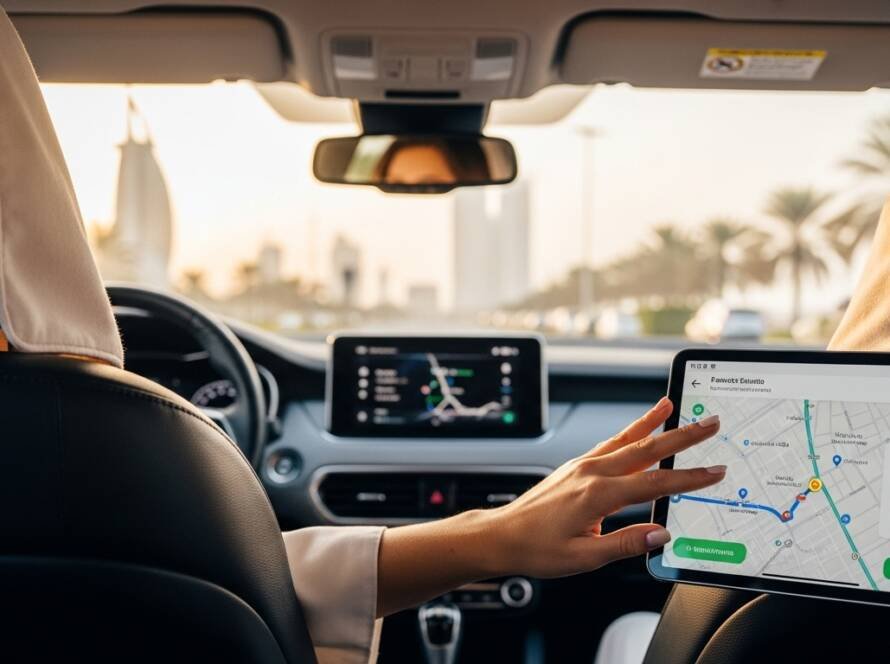
At its heart, a Shared Car Ride Service leverages technology to connect passengers heading in similar directions. This can range from daily commuters sharing a journey to work to individuals traveling long distances between cities. The service typically operates via dedicated mobile applications, which act as intermediaries between drivers and riders. Consequently, these platforms facilitate everything from booking to payment, ensuring a seamless experience for all parties involved. Indeed, the goal is to optimize vehicle capacity, reducing the number of cars on the road.
How These Services Operate
Operating a modern shared ride service involves several key steps, all orchestrated by sophisticated algorithms.
- Booking and Request: Passengers typically use a smartphone app to input their desired pickup and drop-off locations. They specify the time of travel, and the system begins searching for suitable matches.
- Matching Algorithms: The platform’s algorithm then identifies potential drivers and other passengers with intersecting routes and similar travel times. This complex process considers factors like proximity, destination, traffic conditions, and passenger preferences. Therefore, efficient matching is crucial for minimizing detours and maximizing convenience.
- Route Optimization: Once matches are made, the app provides an optimized route for the driver, often incorporating multiple pickups and drop-offs. This ensures efficiency and minimizes travel time for everyone.
- Payment and Cost Sharing: The fare is usually calculated based on distance and shared among the passengers, making it significantly cheaper per person than a private ride. Furthermore, payments are processed securely through the app, simplifying transactions.
- Real-time Tracking: Both drivers and passengers can track the vehicle’s location in real-time, providing transparency and peace of mind.
Unlocking the Benefits of a Shared Car Ride Service
Opting for a Shared Car Ride Service brings a multitude of advantages, impacting personal finances, the environment, and even community well-being.
Economic Advantages
Perhaps the most immediate benefit for many users is the significant cost saving.
- Reduced Fares: By sharing the cost of a ride, individual passengers pay considerably less than they would for a private taxi or ride-hailing service. This makes daily commutes or occasional trips much more affordable.
- Lower Fuel and Maintenance Costs (for drivers): Drivers who offer rides can offset their fuel and vehicle maintenance expenses, sometimes even earning a profit. Consequently, this can turn a regular commute into an income-generating opportunity.
- Decreased Need for Car Ownership: For some, consistent access to a reliable shared ride service can reduce or eliminate the need to own a personal car. This saves on car payments, insurance, parking fees, and maintenance, representing substantial long-term savings.
Environmental Impact
The collective benefit to the environment from widespread adoption of shared transport is profound.
- Reduced Carbon Emissions: Fewer individual cars on the road directly translates to a decrease in greenhouse gas emissions. Each shared journey means one less car contributing to air pollution.
- Less Traffic Congestion: Consolidating trips into fewer vehicles alleviates traffic jams, particularly in urban centers. This leads to smoother traffic flow and reduced idle time for vehicles.
- Optimized Resource Use: Shared vehicles make more efficient use of road infrastructure and parking spaces. Moreover, it lessens the overall demand for these resources.
Social and Community Aspects
Beyond the tangible savings and environmental gains, shared rides foster unexpected social benefits.
- Enhanced Social Interaction: Passengers often engage in conversations, leading to new connections and a sense of community. This can be particularly valuable for those who might otherwise experience social isolation during commutes.
- Increased Accessibility: Shared ride services provide a viable transportation option for individuals who do not own a car, cannot drive, or live in areas with limited public transport. Therefore, they significantly enhance mobility for diverse populations.
- Reduced Commuter Stress: Sharing the driving responsibility or simply being a passenger allows individuals to relax, work, or engage in other activities during their commute, reducing the stress associated with driving in heavy traffic.
Convenience and Efficiency
Modern shared car ride services are designed with user convenience at their forefront.
- Door-to-Door Service: Many services offer convenient door-to-door or near door-to-door pickups and drop-offs, rivaling the ease of private transport.
- Time Savings: Optimized routing and reduced traffic can sometimes lead to faster travel times compared to navigating public transport or even driving alone in congested areas.
- Reliability: With real-time tracking and professional drivers, these services offer a high degree of reliability, ensuring passengers reach their destinations promptly.
Types of Shared Car Ride Services
The landscape of shared mobility is diverse, featuring several distinct models catering to different needs and preferences. Each Shared Car Ride Service model has its unique operational characteristics.
Traditional Carpooling Apps
These platforms often focus on connecting individuals who have similar regular commutes. For instance, Waze Carpool and BlaBlaCar enable users to find or offer rides for daily journeys or longer inter-city trips. Drivers typically cover their fuel costs, while passengers enjoy affordable travel. Furthermore, these services emphasize community building and consistent pairings.
Ride-Sharing Platforms with Shared Options
Major ride-hailing companies like Uber and Lyft have integrated shared ride options (e.g., Uber Pool, Lyft Shared) into their existing services. These are typically on-demand and dynamically match passengers traveling in roughly the same direction at the same time. While potentially involving slight detours for multiple pickups, they offer significant cost savings compared to private rides.
Vanpooling and Microtransit
- Vanpooling: This model typically involves a group of 7-15 commuters sharing a larger van, often for longer distances to a common workplace or industrial park. It’s more structured than casual carpooling, sometimes with employers or transit agencies facilitating the service. Consequently, it’s highly efficient for reducing single-occupancy vehicles on highways.
Microtransit:** This innovative *Shared Car Ride Service operates on demand within a specific geographic zone. It uses smaller vehicles, often vans or shuttles, to pick up and drop off passengers at virtual stops or designated points. Microtransit bridges the gap between traditional fixed-route public transit and private ride-hailing, offering flexible, on-demand shared rides in areas where traditional public transport might be sparse.
Ensuring Safety and Trust in a Shared Car Ride Service
Safety is a paramount concern for both drivers and passengers utilizing any Shared Car Ride Service. Reputable platforms implement robust measures to foster a secure environment.
Driver and Passenger Vetting
- Background Checks: Most platforms conduct thorough background checks on all potential drivers, including criminal history and driving record verification. This is a fundamental step in ensuring passenger safety.
- Vehicle Inspections: Vehicles are often required to meet certain standards and undergo regular inspections to ensure they are roadworthy and safe.
- Rating and Review Systems: Both drivers and passengers are encouraged to rate and review each other after each trip. This feedback mechanism promotes accountability and helps maintain high service quality and safety standards. Indeed, consistently low ratings can lead to account suspension.
In-App Safety Features
Modern shared ride applications are equipped with several features designed to enhance safety during a trip.
- GPS Tracking: All rides are GPS-tracked in real-time, allowing the platform to monitor the journey and providing a record of the route taken.
- SOS Buttons/Emergency Assistance: Many apps include an in-app emergency button that connects users directly to emergency services or a dedicated safety response team.
- Share Trip Details: Passengers can easily share their trip details, including the driver’s name, vehicle information, and live location, with trusted contacts. This provides an extra layer of security and peace of mind.
Best Practices for Users
While platforms provide safeguards, users also play a crucial role in ensuring their own safety.
- Verify Your Ride: Always confirm the driver’s name, vehicle make/model, and license plate against the information provided in the app before entering the vehicle. Never get into a car if the details don’t match.
- Communicate Expectations: Clearly communicate your destination and any specific instructions to the driver. This prevents misunderstandings and ensures a smooth journey.
- Trust Your Instincts: If something feels off or unsafe, do not hesitate to cancel the ride or exit the vehicle. Report any concerning incidents to the platform immediately.
Tips for a Seamless Shared Car Ride Service Experience
To truly make the most of your Shared Car Ride Service, a few simple practices can enhance the experience for everyone involved. Good etiquette and clear communication are often the keys to success.
Punctuality is Key
- Be Ready on Time: As shared rides involve multiple pickups, being punctual is crucial. Be at your designated pickup spot a few minutes before the estimated arrival time. Furthermore, delays impact not only your schedule but also that of other passengers and the driver.
- Communicate Delays: If you anticipate a slight delay, notify your driver through the app as soon as possible. This allows them to adjust their route or communicate with other passengers.
Respectful Interaction
- Maintain Cleanliness: Leave the vehicle as clean as you found it. Avoid bringing messy food or drinks that could spill.
- Be Mindful of Fellow Passengers: Keep conversations at a reasonable volume, and be considerate of others’ personal space. If you need to take a call, keep your voice low. Ultimately, a quiet ride is often appreciated.
- Engage or Enjoy Quiet: Read the room. Some passengers enjoy conversation, while others prefer silence. Respect the general atmosphere of the ride.
Effective Communication
- Confirm Pickup/Drop-off: Double-check your pickup and drop-off points in the app. If there’s any ambiguity, clarify with the driver.
- Clarify Route Preferences (if applicable): While algorithms optimize routes, if you have a specific, justifiable request (e.g., avoiding a very bumpy road), politely communicate it to the driver. Be aware that significant deviations might not be possible in a shared ride.
The Future Landscape of Shared Car Ride Service
The trajectory of the Shared Car Ride Service is one of continuous innovation and expansion. As urban populations grow and environmental consciousness rises, these services are poised for even greater integration into daily life.
Integration with Public Transport
Expect to see deeper integration between shared ride services and existing public transportation networks. This could involve seamless transfers, unified ticketing systems, and shared data to optimize urban mobility. Consequently, shared rides will increasingly serve as ‘first-mile/last-mile’ solutions, connecting people to transit hubs.
Autonomous Shared Vehicles
The advent of autonomous vehicles promises a revolutionary shift. Driverless shared cars could significantly reduce operational costs, making shared rides even more affordable and ubiquitous. Furthermore, they could operate 24/7, providing unparalleled convenience and accessibility.
Increased Adoption in Suburban and Rural Areas
While currently prevalent in urban centers, the demand for flexible, affordable transportation in suburban and rural areas is growing. Shared ride services, particularly microtransit models, are well-suited to address these needs, offering on-demand solutions where traditional public transport is less viable.
Impact on Urban Planning and Infrastructure
The widespread adoption of a Shared Car Ride Service has the potential to reshape urban planning. Reduced car ownership could free up vast amounts of space currently dedicated to parking, allowing for more green spaces, housing, or pedestrian zones. Ultimately, cities could become more livable and sustainable.
Conclusion
The Shared Car Ride Service stands as a powerful testament to how technology can transform our daily lives for the better. From alleviating the financial burden of transportation to significantly reducing our collective environmental footprint, its benefits are far-reaching. Moreover, these services foster community connections and enhance accessibility for diverse populations. As urban environments continue to evolve, shared car rides will undoubtedly play an increasingly pivotal role in shaping sustainable, efficient, and interconnected mobility solutions. Embracing this model means choosing a smarter, greener, and more communal way to travel, contributing positively to both personal well-being and planetary health.
To book you ride in UAE visit or contact page or contact us on Whatsapp
Frequently Asked Questions (FAQ)
Q1: How does a Shared Car Ride Service differ from a regular ride-hailing service?
A Shared Car Ride Service explicitly involves multiple passengers traveling in the same vehicle, often along a similar route, with the cost being divided among them. In contrast, a regular ride-hailing service (like a standard Uber or Lyft) is typically a private ride for a single passenger or group, without the intention of picking up additional, unrelated passengers during the trip. Consequently, shared rides are generally more economical due to the cost-sharing aspect.
Q2: Is a Shared Car Ride Service safe?
Reputable shared car ride services prioritize safety through various measures. These include thorough background checks for drivers, vehicle inspections, real-time GPS tracking of all rides, and in-app emergency features. Furthermore, user rating systems promote accountability for both drivers and passengers. Users are always advised to verify driver and vehicle details against the app before entering and to report any concerns immediately.
Q3: Can I choose my co-passengers in a shared car ride?
Generally, no, you cannot directly choose your co-passengers in most on-demand shared car ride services (like Uber Pool or Lyft Shared). The platform’s algorithm automatically matches you with other riders based on your route and destination to optimize efficiency. However, in some traditional carpooling apps, you might have more control over who you connect with, especially for recurring commutes where you can establish a regular carpool group.