


Dubai to Sharjah Car Ride: Your Ultimate Commute Guide
Embarking on a Dubai to Sharjah car ride is a daily ritual for countless residents in the United Arab Emirates. These two emirates, vibrant hubs of commerce and culture, are intrinsically linked by a steady stream of commuters. Whether you’re a seasoned driver or new to the region, understanding the nuances of this journey is crucial for a smooth and efficient commute. This comprehensive guide will equip you with all the necessary information, from optimal routes and traffic insights to toll specifics and essential driving tips, ensuring your journey is as hassle-free as possible.
Understanding the Dubai to Sharjah Car Ride Landscape
Many individuals choose to reside in Sharjah due to its relatively lower cost of living, while working in the bustling economic hub of Dubai. Consequently, the Dubai to Sharjah car ride has become one of the most heavily trafficked routes in the UAE. This daily migration impacts road infrastructure, public transport, and urban planning. Therefore, a clear understanding of the geography and typical travel patterns is the first step towards mastering this route.
Key Commuter Routes
Navigating from Dubai to Sharjah primarily involves a few major highways. Each offers a slightly different experience in terms of traffic and directness. Consequently, selecting the best route often depends on your specific starting point in Dubai and destination in Sharjah, alongside current traffic conditions.
- E11 (Sheikh Zayed Road / Al Ittihad Road): This is arguably the most direct and well-known route. It transforms into Al Ittihad Road as you approach Sharjah. Historically, it has been the primary artery connecting the two cities. However, it is also notorious for heavy traffic during peak hours. Therefore, planning is essential.
- E311 (Sheikh Mohammed Bin Zayed Road – SMBZ Road): Running parallel to E11, E311 offers an alternative that bypasses some of the coastal congestion. It is a multi-lane highway designed for higher speeds, and it often provides a slightly faster option when E11 is particularly jammed. Many commuters prefer this route for its generally smoother flow.
- E611 (Emirates Road): This is the outermost major highway connecting Dubai and Sharjah. It is typically the longest route in terms of distance but can be the fastest during extreme peak hours on E11 and E311, particularly if your destination in Sharjah is further inland. Thus, it serves as a valuable bypass option.
Navigating the Journey: Roads and Traffic
The daily Dubai to Sharjah car ride is synonymous with traffic challenges, especially during specific times. However, with strategic planning and real-time information, you can significantly reduce your travel time and stress.
Peak Hours and Their Impact
Traffic between Dubai and Sharjah is notoriously heavy during peak commuting hours. Typically, these are:
- Morning Rush: 6:00 AM to 9:30 AM (Dubai-bound traffic is heavy, Sharjah-bound is lighter).
- Evening Rush: 4:30 PM to 8:00 PM (Sharjah-bound traffic is heavy, Dubai-bound is lighter).
During these periods, a journey that might take 20-30 minutes during off-peak hours can easily stretch to 1.5 to 2 hours or even more. Therefore, if possible, adjusting your travel times can lead to a much more pleasant experience. For instance, leaving earlier or later makes a considerable difference.
Traffic Hotspots
Certain areas are perennial bottlenecks. On E11, the approach to Sharjah, particularly around Al Taawun and Al Khan, often experiences significant slowdowns. Similarly, interchanges on E311 and E611 where traffic merges can become congested. Being aware of these points allows you to anticipate delays and potentially seek alternative exits or routes.
Real-time Traffic Applications
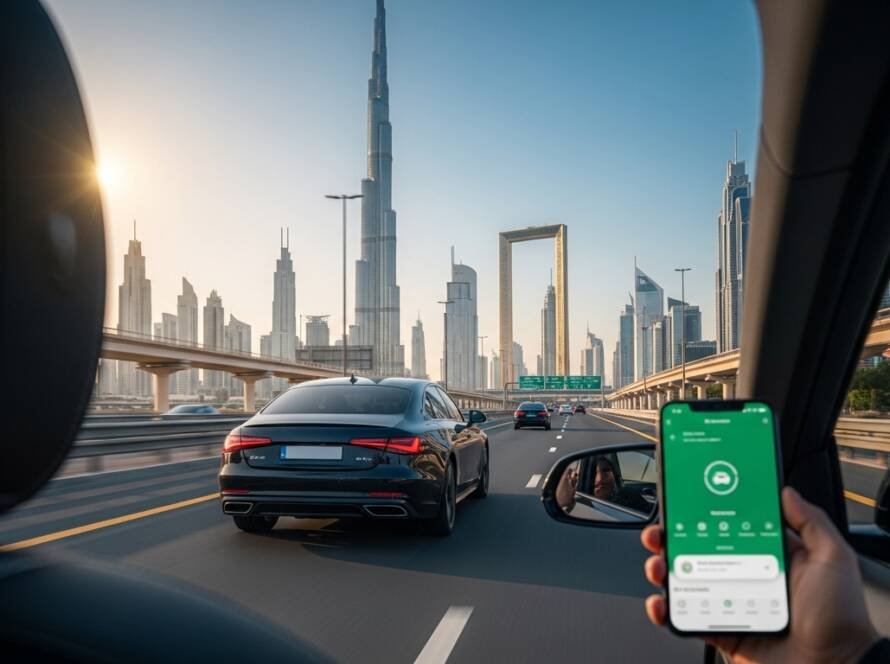
Modern technology is your best friend for navigating the Dubai to Sharjah car ride. Utilizing real-time traffic applications is non-negotiable for a smooth journey. Popular choices include:
- Google Maps: Offers excellent real-time traffic updates, estimated travel times, and alternative route suggestions based on current conditions. Moreover, it provides lane guidance, which is very helpful.
- Waze: Known for its community-driven traffic reports, Waze users share information about accidents, police presence, and road hazards, providing highly accurate and immediate updates. Furthermore, its re-routing capabilities are robust.
Always check these apps before you start your journey and keep them running for continuous updates. This enables proactive decision-making.
Tolls and Costs for Your Dubai to Sharjah Car Ride
Driving in Dubai involves an electronic toll system known as Salik. Consequently, understanding how it works and its associated costs is vital for anyone undertaking a Dubai to Sharjah car ride.
Salik Gates Explained
Salik is Dubai’s automatic road toll system. When your vehicle passes through a Salik gate, a toll of AED 4 is automatically deducted from your prepaid Salik account. There are several Salik gates on the routes from Dubai to Sharjah:
- Al Garhoud Bridge: On E11, heading towards Sharjah.
- Al Maktoum Bridge: On E11, heading towards Sharjah.
- Al Safa: On Sheikh Zayed Road (E11) in Dubai, affecting traffic heading towards Sharjah.
- Al Barsha: On Sheikh Zayed Road (E11) in Dubai, affecting traffic heading towards Sharjah.
It is imperative to ensure your Salik tag is properly affixed to your windshield and that your account has sufficient balance. Otherwise, you risk incurring fines. You can recharge your Salik account online or through various outlets. Therefore, regular checks are advisable.
Fuel Costs
The cost of fuel is another significant factor in your daily commute. While fuel prices in the UAE are relatively stable, they do fluctuate. For a typical Dubai to Sharjah car ride, which is roughly 25-30 kilometers one way, a modern, fuel-efficient car might consume approximately 2-3 liters of petrol per journey. Therefore, factoring in two trips a day for a five-day work week, fuel costs can add up. Regularly monitoring fuel prices and maintaining your vehicle’s efficiency can help manage these expenses.
Parking Considerations
Upon reaching your destination, whether in Dubai or Sharjah, parking can sometimes be a challenge and an additional cost. In Dubai, most commercial areas and popular destinations have paid parking zones, either through RTA parking meters or mobile payment apps. Similarly, Sharjah also has paid parking in many busy areas. Consequently, always check parking regulations and fees beforehand to avoid fines.
Essential Tips for a Smooth Dubai to Sharjah Car Ride
Beyond knowing the routes and costs, several practical tips can enhance your driving experience and ensure your safety during your Dubai to Sharjah car ride.
Vehicle Maintenance is Key
Before embarking on any regular commute, ensure your vehicle is in excellent condition. Regular checks of:
- Tires: Check pressure and tread depth. Properly inflated tires improve fuel efficiency and safety. Thus, this is a simple yet crucial check.
- Brakes: Ensure they are responsive and not worn out. Furthermore, regular servicing prevents unexpected issues.
- Fluids: Check oil, coolant, and windshield washer fluid levels. This helps prevent overheating and ensures clear visibility.
Preventive maintenance can save you from inconvenient breakdowns and potential hazards, especially in the intense UAE climate.
Adhere to Driving Etiquette and Laws
UAE roads are generally well-maintained, but strict traffic laws are enforced. Always:
- Observe Speed Limits: Speed cameras are ubiquitous. Exceeding the limit results in hefty fines and black points. Therefore, always be mindful of signage.
- Maintain Lane Discipline: Stick to your lane and only change lanes when safe and necessary. Changing lanes haphazardly is a common cause of accidents. Moreover, avoid aggressive driving.
- Use Indicators: Signal your intentions well in advance. This simple act can prevent many collisions. Consequently, it contributes to overall road safety.
- Avoid Distractions: Using your mobile phone while driving is illegal and extremely dangerous. Focus solely on the road. Indeed, driver vigilance is paramount.
Essential Documentation
Always carry the following documents in your car:
- Driver’s License: A valid UAE driver’s license is mandatory.
- Vehicle Registration Card (Mulkiya): This proves ownership and registration.
- Vehicle Insurance: Proof of valid insurance is required by law.
Failure to produce these documents upon request by authorities can lead to fines. Therefore, keep them readily accessible.
Emergency Preparedness
Even with the best preparation, unforeseen circumstances can occur. Keep an emergency kit in your car, including:
- First-aid kit: For minor injuries.
- Jumper cables: In case of a dead battery.
- Spare tire and jack: For punctures.
- Reflective triangle: To warn other drivers if you stop on the roadside.
Knowing how to react in an emergency can make a significant difference. Furthermore, having roadside assistance contact details saved in your phone is highly recommended.
Alternative Transportation Options
While this guide focuses on the Dubai to Sharjah car ride, it is worth noting that other transportation options exist for those who prefer not to drive or wish to mitigate traffic stress. These include inter-emirate buses, which offer a cost-effective solution, and ride-sharing services like Careem and Uber, which provide convenience at a higher cost. However, for flexibility and door-to-door travel, driving remains the preferred choice for many.
FAQ
1. How long does it take to drive from Dubai to Sharjah?
The journey typically takes 30–60 minutes depending on traffic, route, and time of day. Peak hours can significantly increase travel time.
2. What are the best routes between Dubai and Sharjah?
-
E11 Highway (Sheikh Zayed Road): Fastest and most direct.
-
E88 (Al Dhaid Road): Less congested alternative during peak hours.
-
Route via Emirates Road (E611): Ideal if avoiding city traffic.
3. Are there tolls on the route?
Yes, some routes involve Salik tolls in Dubai. Ensure your Salik account is active or pay via cashless options.
Conclusion
Driving from Dubai to Sharjah is a common daily commute for many residents and visitors. With multiple routes, modern highways, and convenient ride options, the journey can be smooth and efficient when planned around traffic patterns. Whether you’re commuting for work, exploring the city, or traveling for leisure, knowing the best routes, timing, and safety tips ensures a comfortable and stress-free ride.
To book you ride in UAE visit or contact page or contact us on Whatsapp
- https://rideswiftuae.ae/reliable-car-ride-dubai-your-seamless-travel-guide/
- https://rideswiftuae.ae/personalized-car-ride-service-your-tailored-journey/
- https://rideswiftuae.ae/regular-commute-car-ride-optimize-your-daily-journey/
- https://rideswiftuae.ae/abu-dhabi-ride-service-your-ultimate-guide-to-getting-around/
- https://rideswiftuae.ae/sharjah-car-ride-routes-explore-scenic-drives/

2 Comments